
The first time you walked into the grocery store after finding out you can’t eat milk, it probably felt like this: standing in front of the fridge doors, staring at an entire wall of options. Oat, almond, soy, coconut, and… no one ever told you about cashew milk! Your doctor certainly didn’t warn you about this part. Meanwhile, you’re just wanting creamer for your coffee tomorrow morning.
Whether you’re brand new to dairy free, or have been living with it for years, there’s a wide range of options to explore. Let’s dive into all the different types: the common, the not-so-common, and the variations of each.
Common Dairy Free Milk Alternatives
Even if you’re not dairy free, you’ve probably tried dairy free milk before. It takes up a door of it’s own at the grocery store, and most coffee shops offer oat or almond milk as an alternative. But with so many options, it can be hard to know what to choose. Part of it comes down to which you like best, but when substituting for traditional dairy milk, some work better than others.
Soy Milk
Soy milk has been available in local grocery stores for decades now. It’s thick, creamy, and has similar nutritional make up and protein content as dairy milk. While not the most popular alternative, it’s easily accessible, with every major grocery store carrying multiple different brands and Costco even rolling out their own Kirkland Signature unflavored soy milk.
The texture and consistency makes it an easy swap for most things milk. It heats well, which makes it a solid option for lattes, and the thicker texture ensures that it holds its own when baking. It’s also a fairy neutral flavor, as long as you buy an unflavored option, which makes it easy to use as a replacement in your morning cereal.
Oat Milk
Oat milk has quickly become a favorite. A major benefit is that it’s courteous to other allergens—there’s no soy or nut contamination. It’s popped up in grocery stores and coffee shops around the country, appearing in homes and shopping carts that otherwise don’t abide by a dairy free diet. And for good reason: it’s creamy, slightly sweet, and perfect in both hot and cold beverages.
The downside to oat milk is that it is more watery than soy. It is just creamy enough to make it addicting in drinks, but it does not work as an acceptable substitute when baking. It also lacks the higher protein content that many people are searching for, although it does have its own slew of nutritional benefits.
Almond Milk
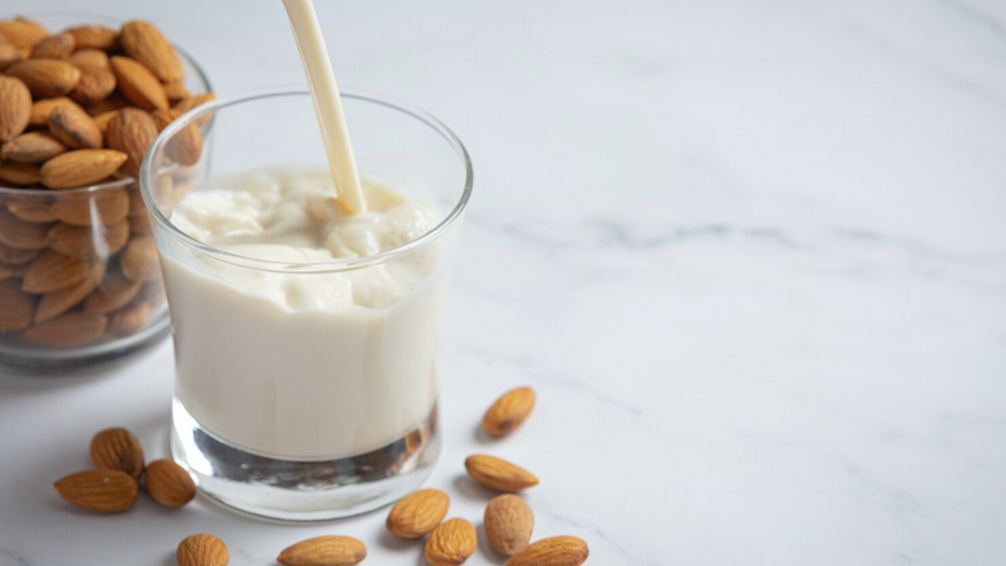
Almond milk is the other coffee shop favorite. It’s widely available and very popular. Almond milk has a mild flavor that many people enjoy, and just like soy milk, comes in both sweetened and unsweetened varieties. It’s also become a popular choice for weight loss journeys due to it’s lower calorie content.
Almond milk, like oat milk, is more watery. It can also separate at high temperatures, which makes it unsuitable for cooking and hot lattes—although some people enjoy the nutty flavor that can provide in lattes, which is presumably how Almond Milk Lattes have become a cafe staple. Regardless of heat, almond milk generally imparts a slight almond flavor on anything you use it to, so keep that in mind before substituting.
Coconut Milk
Coconut milk can be referring to one of two things: either the carton version which is for drinking, or the thick, canned version you can use for cooking. Coconut milk is a culinary staple across the world, with many cultural staples along coastal countries in Southeast Asia, Oceania, and East Africa relying on the thicker version.
It’s traditionally used in curries, stews, and served in dishes alongside fish. Today, it can also be used as a consistent substitute for heavy cream or butter when baking due to the significantly higher fat content. The full-fat content is why it is usually not drunken straight. In the can, it’s shelf stable, so easy to keep stocked as a reliable pantry staple.
As for the carton version, it is much thinner, but also has a much stronger coconut flavor than the thicker, canned version. It’s often diluted with water and sold next to the dairy milk, rather than full-fat coconut milk from a can. This version also can curdle at higher heats, although many still enjoy the coconut flavor in cold beverages.
Less Common Non-Dairy Milks
Cashew Milk
Cashew milk has only begun showing its face at major grocery stores recently since Silk began producing it, although it’s been around much longer. It’s thick and creamy, like soy, and comes in both sweetened and unsweetened varieties. It has a higher calcium content than other dairy free milks, as well as high amounts of Vitamin B and Vitamin D. This makes the nutritional make up very different than any of the other milks on this list. It’s also thick enough and one of the most stable plant-based milks for heating. This makes it versatile enough to become a weekly staple of many dairy free households.
Rice Milk
Free from most major allergens, rice milk occupies a niche that most of the more common milks do not. It is free from nuts, soy, and gluten, in addition to dairy. It also has a light and naturally sweet flavor which makes it enticing to drink, even though it is too watery to use for cooking.
Macadamia Milk
Macadamia milk is one of the newest types to hit the stores, and has quickly become popular to use in coffees due to its rich texture. The flavor is buttery, and although it cannot be used as a substitute for thicker cream in the way that coconut milk can, it feels luscious and works beautifully as a standard replacement for whole milk.
Hemp Milk
A very niche pick which is popular among athletes, hemp milk’s main draw is from its high protein and healthy fat content. Soy is still the highest on this list for protein, but hemp milk is a close second. It’s also great for omega 3 and omega 6 fatty acids, which are essential to anyone who eats a fully plant-based diet.
Flax Milk
Flax milk is light with a mild flavor, very similar to rice milk. It’s incredibly difficult to find, and your best bet would be a health food grocery store, although it’s become popular enough that many have mastered the art of cooking it at home. The main draw of flax milk is its nutritional content, which is low in calories while being high in essential vitamins.
Pea Milk
Pea milk is not made from green peas, but from yellow split peas, which are also what is used to create pea protein powder. It is typically combined with a neutral oil, such as sunflower oil, to get pea milk. However, it is not easy to find. If you can find it, you’ll find it to be a creamy, high calcium, high protein milk with a slightly nutty aftertaste. It can be used as a substitute for most recipes that use whole milk.
Pistachio Milk
People love pistachio milk for the same reason people love pistachios. It’s a pleasant taste, very creamy, and resistant to heat, which can make the best pistachio latte. While not naturally sweet, many store bought brands use added sugar. Pistachio milk is thick enough to be used as a milk substitute, but the pistachio flavor is strong enough that it can change a recipe’s flavor profile significantly.
Black Sesame Milk
Black sesame milk is an outlier from the rest of this list. Most people drink it solely for the taste, although the health benefits are an added bonus. It is high in both fiber and iron, both of which are unique compared to other plant based milks. Black sesame milk is very creamy, although the flavor is too strong to use as a reasonable substitute. It’s not difficult to locate, and is commonly found in Asian supermarkets such as H Mart.
Which Plant Based Milk Should I Choose?
I know, there’s a lot, and there’s more and more options hitting the shelves every year. But, although overwhelming, that’s actually a good thing. More options for the average consumer means that more people have access to the milks they need to help meet their nutrition goals or compensate for their allergens without sacrificing the foods they enjoy.
So, which milk should you get? It depends. If you’re looking for a substitute for baking, probably canned full-fat coconut milk. If you are looking for an easy, higher protein alternative, maybe try soy milk. Do you need to hit new fiber goals? Maybe black sesame could help. If you want to try something new, then maybe one of the less common choices such as flax or macadamia milk could be fun.
Regardless of your health or nutrition goals, there are many plant based milks available. Next time you’re at the store, use this guide to help you pick out something new!
And if you’re looking for dairy free recipes or more dairy free guides, check out all my recipes at Saav Eats Dairy Free.